
Reducing Torque and Enhancing Performance: The Science Behind Flat Cutting Profiles in Raise Boring
Target Keywords: Raise boring torque demands, flat cutting profile, smooth rotation raise boring, Sandvik RS510, Sandvik RS520, Sandvik RS530, RBM performance.

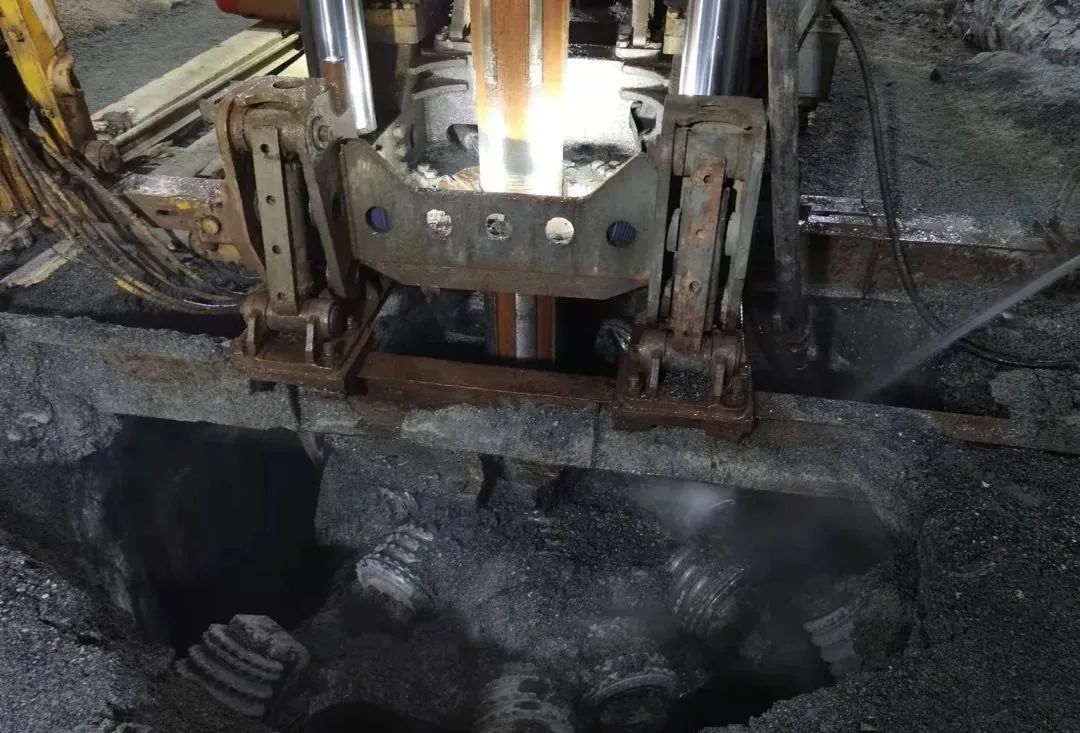
The Hidden Cost of High Torque in Raise BoringFor operators of Raise Boring Machines (RBM), managing torque is a daily battle. As the reaming head is pulled upward, the cutters crush the rock face. If the cutting profile of the head is uneven or improperly designed, it causes erratic engagement with the rock. This leads to heavy vibrations, power spikes, and incredibly high torque demands.
High torque is not just an operational annoyance; it is a direct cause of premature equipment failure. It places immense stress on the drill string (potentially leading to catastrophic stem breakages), wears out the RBM's hydraulic or electric drive motors, and increases energy consumption.
The Flat Cutting Profile AdvantageTo solve the problem of excessive torque, premium equipment manufacturers have re-engineered the geometry of the reaming head. Across its entire RS series—including the RS510 integral, RS520 segmented, and RS530 extendable heads—Sandvik utilizes a highly optimized "flat cutting profile."
But what does a flat cutting profile actually do for the end-user?
Even Load Distribution: Unlike stepped or highly conical profiles, a flat cutting profile ensures that all the cutters mounted on the head engage the rock face simultaneously and evenly across the horizontal plane. This distributes the thrust load evenly across the entire surface of the reaming head.
Smooth Rotation: Because the rock is being crushed evenly, the reaming head is far less likely to snag, bind, or bounce off hard rock seams. This results in remarkably smooth rotation. The RBM operates more quietly and with significantly less vibration transferred up the drill string.
Lower Torque Demands: Smooth rotation directly translates to lower torque demands. The machine doesn't have to fight through sudden spikes in resistance. This steady, predictable torque protects your drive train, reduces energy consumption, and often allows operators to maintain a faster, more consistent penetration rate.
ConclusionOptimizing raise boring performance is about working smarter, not just pushing harder. By investing in reaming heads engineered with a flat cutting profile, end-users can drastically reduce torque demands, protect their expensive RBM assets from vibration damage, and achieve smoother, faster, and more profitable shaft completions.
This website uses cookies to ensure you get the best experience on our website.





 Phone
Phone E-mail