


Cutting Pick Choosing
Choosing the right cutting pick is an important decision for anyone working in mining, road milling, trenching, tunneling, or other demanding cutting applications. A cutting pick affects not only the efficiency of the machine but also the quality of the work, fuel consumption, downtime, and overall operating cost. Because of this, it is worth understanding the main factors that should guide the selection process.First, the material being cut is the most important consideration. Different materials have very different hardness levels, abrasiveness, and impact resistance. Soft ground, clay, and mixed soil require a different pick design than hard rock, concrete, or asphalt. If the pick is too weak, it will wear out quickly or break. If it is too aggressive for the application, it may cause unnecessary vibration and reduce tool life. A proper match between the pick and the material helps maintain stable cutting performance.Second, the body structure and tip material of the cutting pick should be carefully evaluated. The tip is usually made from wear-resistant carbide or another hard alloy, while the body must provide strength and shock resistance. High-quality picks are designed to balance hardness and toughness. Hardness helps resist wear, while toughness helps prevent cracking or bending under heavy loads. For applications with strong impact, a tougher design is often more suitable. For highly abrasive environments, wear resistance becomes the priority.Third, the shape of the pick matters. Conical picks, radial picks, and flat picks each serve different purposes. A conical shape is often used for concentrated cutting and penetration. A flatter design may be preferred when the goal is to remove material more evenly. The geometry of the pick influences cutting force, penetration depth, and the amount of energy required during operation. Selecting the right shape can improve productivity and reduce machine stress.Fourth, compatibility with the cutting head or holder must not be ignored. Even a good cutting pick will perform poorly if it does not fit properly. The shank size, locking system, and installation method should match the machine specification. A secure fit reduces the risk of loosening, uneven wear, and unexpected failure. Ease of replacement is also important because frequent maintenance can increase downtime.Fifth, operating conditions should guide the choice. High-speed cutting, heavy-duty mining, wet environments, and dusty job sites all place different demands on the pick. Temperature, moisture, and contamination can influence wear patterns and service life. In severe conditions, it is often better to choose a more durable pick with stronger protection against abrasion and impact.Finally, cost should be considered together with performance, not by itself. A lower-priced pick may seem attractive, but if it wears out quickly, it can lead to higher total expenses. A well-chosen cutting pick can last longer, reduce machine downtime, and improve cutting efficiency, making it more economical in the long run.In conclusion, choosing a cutting pick requires attention to material type, tool design, compatibility, operating environment, and long-term cost. A careful selection process helps ensure better performance, longer service life, and more reliable work results.
Products
Category:
-
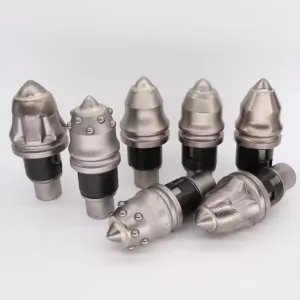
How to choose Mining cutting picks that deliver lower cost per ton
Category: Cutting PickBrowse number: 46Number:Release time: 2025-11-18 02:59:28Lowering cost per ton begins with selecting cutting picks that match geology, impact load, and machine parameters. Picks with high-grade carbide, optimized geometry, and strong brazing perform efficiently in demanding formations, reducing replacement frequency and machine downtime. The right pick minimizes energy consumption and ensures higher production at reduced operating cost. -
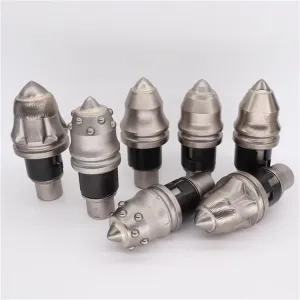
How high-pressure rock conditions affect cutting pick selection
Category: Cutting PickBrowse number: 67Number:Release time: 2025-11-18 03:10:57High-pressure and compact rock formations require cutting picks with tougher carbide, stronger steel bodies, and optimized wear protection. Picks designed for extreme impact withstand heavy loads without chipping or bending. Choosing correctly engineered picks ensures stable cutting penetration, prevents tool breakage, and maintains safety in harsh excavation conditions.
News
Category:
No search results found!
Case
Category:
No search results found!
Video
Category:
No search results found!
Download
Category:
No search results found!
Job
Category:
No search results found!
Featured Products
-
NEWS
How to choose Mining cutting picks that deliver lower cost per ton
Learn more -
NEWS
How high-pressure rock conditions affect cutting pick selection
Learn more



 Phone
Phone E-mail