


Tapered Cross Bit
A tapered cross bit is a hard rock drilling tool used mainly in mining, tunneling, quarrying, and construction. It is mounted on a tapered drill rod and driven by a rock drill or jackhammer to create blast holes or anchor holes in rock formations. The term “tapered” refers to the conical shape of the shank that fits into the drill rod socket, allowing a secure connection and easy removal. The “cross” refers to the cutting structure at the front, where two intersecting sets of carbide inserts form a cross-shaped pattern.The body of a tapered cross bit is usually made from high‑strength alloy steel, heat-treated to withstand impact, fatigue, and abrasive wear. At the front, tungsten carbide buttons or chisel inserts are arranged in a cross configuration. This layout provides multiple cutting edges and a central point, helping to maintain straight hole direction and improve drilling efficiency in hard and medium‑hard rock. The bit’s flushing holes and grooves are designed to allow air or water to remove cuttings from the hole, reducing regrinding and extending bit life.Tapered cross bits are produced in different taper angles, commonly 7°, 11°, and 12°. A smaller taper angle provides a tighter connection and is often used for longer rods or heavier drilling, while a larger angle allows for faster coupling and uncoupling. The choice of taper depends on drilling depth, rock hardness, and the specific drilling system. Bit diameters vary widely to match the required hole size, from small diameters for secondary blasting or bolting to larger diameters for primary blast holes.One of the main advantages of the cross bit design is good directional stability. The symmetric arrangement of inserts helps the bit to stay on line, which is important for straight and accurate holes, especially in production drilling and roof support. The cross configuration also tends to offer reliable performance in fractured or heterogeneous rock where other designs may wander. In very abrasive formations, wear‑resistant grades of carbide and optimized gauge inserts help maintain diameter and reduce the frequency of bit changes.Proper selection and maintenance are essential for achieving maximum performance. Operators choose the bit diameter, taper angle, and carbide grade according to rock conditions and drilling equipment. Regular inspection for broken inserts, excessive gauge wear, and body cracking is necessary. Timely replacement or regrinding, when applicable, can significantly reduce overall drilling costs by improving penetration rate and lowering energy consumption. Through the combination of robust steel body, optimized carbide layout, and appropriate taper connection, the tapered cross bit remains a widely used and cost‑effective tool for rock drilling operations around the world.
Products
Category:
-
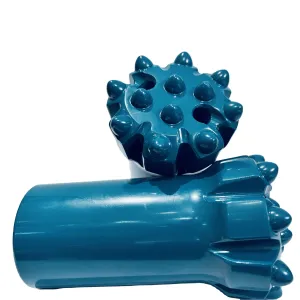
Large Diameter Taper Cross Drill Bits for Deep Hole Drilling in Structural Steel
Category: Tapered Connection Drill BitBrowse number: 38Number:Release time: 2026-04-23 02:33:51Large Diameter Taper Cross Drill Bits for Deep Hole Drilling in Structural Steel Large diameter taper drills (25mm to 60mm) are essential for deep hole drilling in structural steel beams and columns. This guide discusses the required Morse taper size (MT3, MT4, or MT5), recommended web thickness for rigidity, and chip evacuation strategies. We also compare two‑flute vs three‑flute designs, address pilot hole requirements, and provide torque calculations for radial drill operators working with S355 and S460 steel grades.Product DescriptionBits Wholesale Distributor specification:1.Product...
News
Category:
No search results found!
Case
Category:
No search results found!
Video
Category:
No search results found!
Download
Category:
No search results found!
Job
Category:
No search results found!
Featured Products
No search results found!



 Phone
Phone E-mail