


Hard Rock Formations Bit
Hard rock formations are among the most challenging geological environments to encounter during drilling, excavation, and underground construction. These formations are typically composed of dense, highly consolidated rock such as granite, basalt, quartzite, and other similarly strong materials. Because of their extreme hardness and abrasion resistance, they require specially designed cutting tools that can withstand intense impact, friction, and heat over long periods of operation.A bit used in hard rock formations must be engineered for strength, durability, and cutting efficiency. Its structure is usually reinforced with wear-resistant materials that help maintain performance even under severe working conditions. In such environments, the bit is expected to break, crush, or fracture the rock rather than simply scrape it away. As a result, the design often focuses on concentrated force application, allowing the tool to penetrate tough layers more effectively while reducing unnecessary energy loss.One of the key challenges in hard rock drilling is heat management. The continuous interaction between the bit and the rock surface generates significant heat, which can shorten tool life if not properly controlled. To address this, many hard rock bits are designed with features that improve cooling and flushing, helping remove cuttings from the borehole and lowering operational temperatures. Efficient removal of debris also prevents clogging and supports smoother, faster penetration.Another important factor is impact resistance. Hard rock drilling often involves repeated shock loads, especially when the tool encounters uneven layers, fractures, or particularly dense zones. A high-quality bit must absorb these impacts without cracking or deforming. This is why the choice of material and structural design is critical. Advanced alloys, carbide inserts, and heat-treated components are commonly used to improve toughness and extend service life.Performance in hard rock also depends on the geometry of the cutting surface. The shape, arrangement, and sharpness of the cutting elements influence how effectively the bit engages the rock. A well-designed profile can improve penetration rate, reduce vibration, and minimize wear on surrounding equipment. In some cases, specialized patterns are used to optimize contact with the rock face and maintain stable drilling conditions.Maintenance and operational planning are equally important. Since hard rock conditions are demanding, regular inspection and timely replacement of worn components can prevent costly downtime. Selecting the proper bit for the specific rock type, drilling depth, and operational method is essential for achieving reliable results.Overall, hard rock formation bits play a vital role in demanding drilling applications. Their effectiveness depends on a balance of toughness, heat resistance, cutting efficiency, and durability. With the right design and operating conditions, they can deliver stable performance in some of the toughest geological settings.
Products
Category:
-
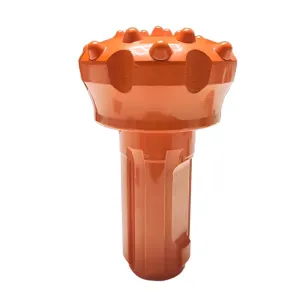
DHD360-165mm Button Bit for Hard Rock Formations
Category: DTH drill bitBrowse number: 29Number:Release time: 2026-05-11 08:36:54Best DHD360 165mm DTH bit for granite mining. Features premium tungsten carbide buttons for extreme wear resistance. Get the latest price list!
News
Category:
No search results found!
Case
Category:
No search results found!
Video
Category:
No search results found!
Download
Category:
No search results found!
Job
Category:
No search results found!
Featured Products
No search results found!



 Phone
Phone E-mail